
Exploring the psychology behind casino games What keeps players coming back
Unlocking secrets The hidden strategies of successful casino players
26 de fevereiro de 2026Fedezd fel az online kaszinók nyerésének titkait
26 de fevereiro de 2026Exploring the psychology behind casino games What keeps players coming back
The Allure of Uncertainty
The unpredictable nature of casino games is one of the primary factors that draws players in. This element of uncertainty can create a thrill that is hard to resist. Each spin of the slot machine or roll of the dice offers the potential for a life-changing outcome, tapping into our inherent desire for excitement and adventure. In fact, many individuals even consider options like casinos not on gamstop to enhance their thrilling experiences. This adrenaline rush can lead to a heightened emotional state, making the experience more enjoyable and memorable.

Furthermore, the excitement of not knowing the result can stimulate the brain’s reward system. This neurological response can lead to positive reinforcement, making players more likely to return for additional games. The anticipation builds excitement, which is a crucial psychological driver in the gambling experience.
The Role of Reward and Reinforcement
Casino games are designed with psychological principles in mind, particularly the concepts of reward and reinforcement. When players win, even a small amount, it triggers the release of dopamine in the brain, leading to feelings of pleasure and satisfaction. This reinforces the behavior, encouraging players to keep playing in hopes of replicating that win.
Moreover, intermittent rewards, where wins come sporadically rather than consistently, can create a powerful compulsion to keep playing. This mechanism mirrors the psychology behind slot machines, where the unpredictability of a jackpot creates a strong incentive for players to continue engaging with the game. Such reinforcement schedules contribute to the prolonged engagement seen in many casino patrons.
The Social Aspect of Gambling
Another key aspect of the psychology behind casino games is the social environment they foster. Many players enjoy the communal atmosphere found in casinos, where they can interact with others, share experiences, and celebrate wins together. This social interaction can enhance the enjoyment of gambling, making it more than just a solitary experience.
The camaraderie that develops among players can create a sense of belonging and community, making individuals more inclined to return. Additionally, players often form relationships with staff members or fellow gamblers, which can further enhance their overall experience and emotional attachment to the casino environment.
Managing Risk and The Illusion of Control
The psychology of casino gaming also involves players’ perceptions of risk and control. Many gamblers believe they can influence the outcome of a game through skill or strategy, even in games largely determined by chance. This illusion of control can lead to greater investment in gameplay, as players feel empowered and engaged.
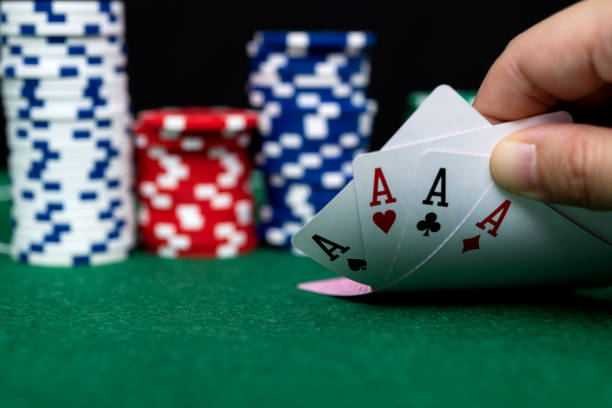
This belief can be particularly potent in games like poker, where decision-making plays a significant role. Players may convince themselves that their choices will directly impact their chances of winning, leading to a deeper emotional connection to the game. This enhances the overall gambling experience and encourages repeated visits as players seek to confirm their strategies.
Understanding Casino Environments
The design and atmosphere of casinos also play a crucial role in attracting and retaining players. Casinos are typically designed to be immersive, with vibrant colors, enticing sounds, and appealing scents that stimulate the senses. This carefully crafted environment can increase players’ engagement levels, making them more likely to stay and play longer.
Furthermore, many casinos employ strategies such as providing complimentary drinks and meals to create a welcoming atmosphere. This hospitality enhances the overall experience, making patrons feel valued and comfortable. As players associate positive emotions with the casino environment, they are more likely to return in the future to relive those experiences.
